Blue Tits in January: A Delightful Garden Gathering
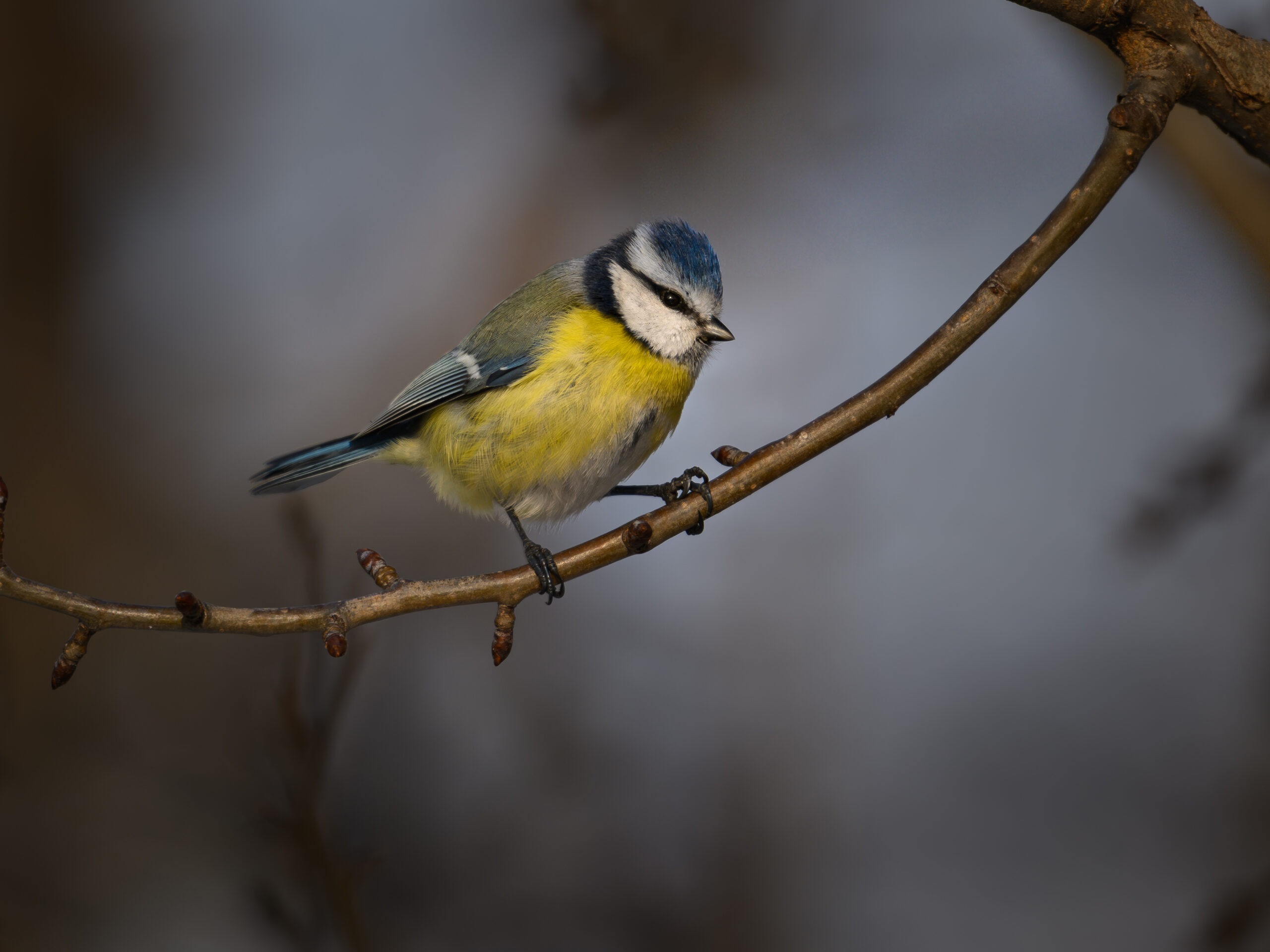
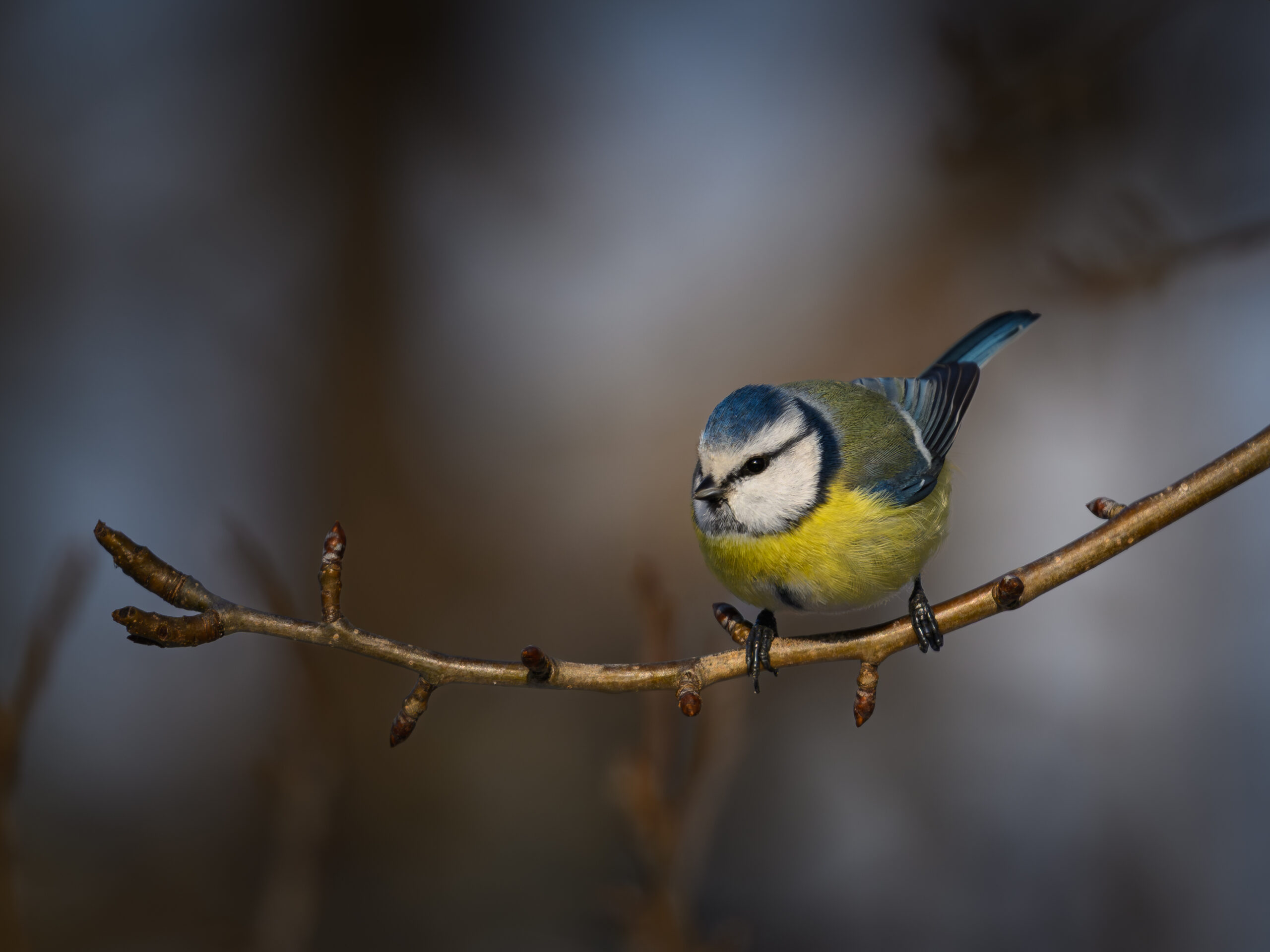
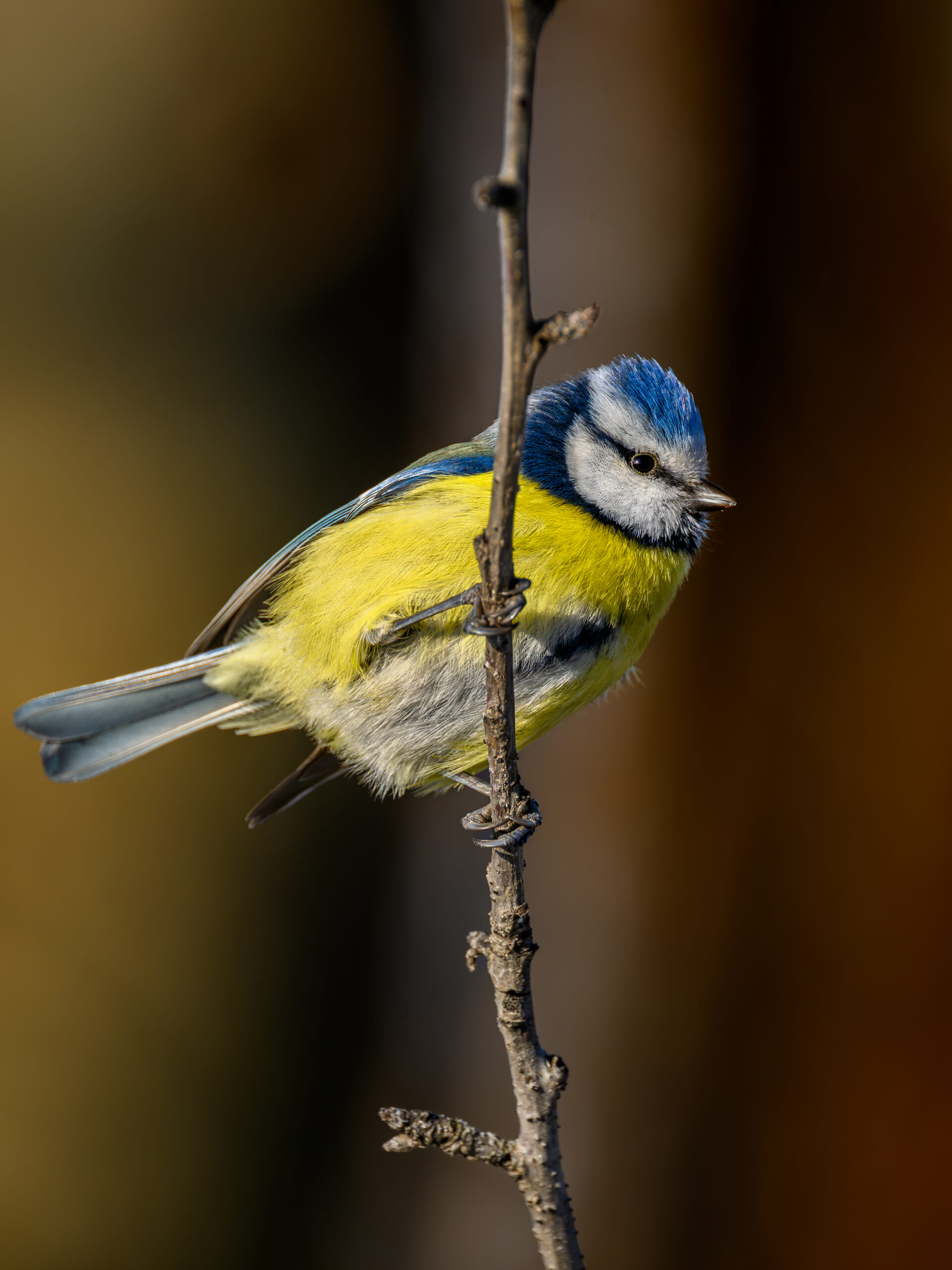
As the chill of January settles over gardens across Europe, one of the most vibrant sights to brighten the winter landscape is the Blue Tit (Cyanistes caeruleus). These diminutive, colorful birds are a familiar presence, especially where bird feeders offer a welcome oasis during the coldest months of the year.
Winter Survival and Social Behavior
January is a challenging time for garden birds. Natural food sources like insects and seeds are scarce, and short daylight hours limit foraging time. Blue Tits, with their blue and yellow plumage and acrobatic antics, are particularly drawn to gardens with well-stocked feeders. Here, they find much-needed nourishment in the form of seeds, nuts, and fat balls, which help them maintain their energy and body heat.
Unlike their solitary breeding season behavior, Blue Tits become noticeably more social in winter. They often join mixed-species flocks, moving through gardens and woodlands in search of food. Gathering around feeders, they chirp and flit about, sometimes squabbling for the best perch or the biggest sunflower seed.
Attracting Blue Tits to Your Garden
If you want to encourage Blue Tits to visit your garden, providing food is key. They are particularly fond of peanuts, suet, and sunflower hearts. Hanging feeders, especially those with mesh or holes suitable for small birds, are ideal. Place feeders near shrubs or hedges to give the birds quick access to cover from predators.
Cleanliness is also important; regularly wash feeders to prevent the spread of disease. Fresh water for drinking and bathing is another magnet for Blue Tits and other garden birds.
A Rewarding Winter Spectacle
The sight of Blue Tits gathering at feeders is more than just a charming winter scene—it’s a testament to the resilience of wildlife and the positive impact of small acts of kindness. By providing food and safe havens, gardeners help these captivating birds survive the toughest season and ensure their cheerful presence for months to come.